Dye
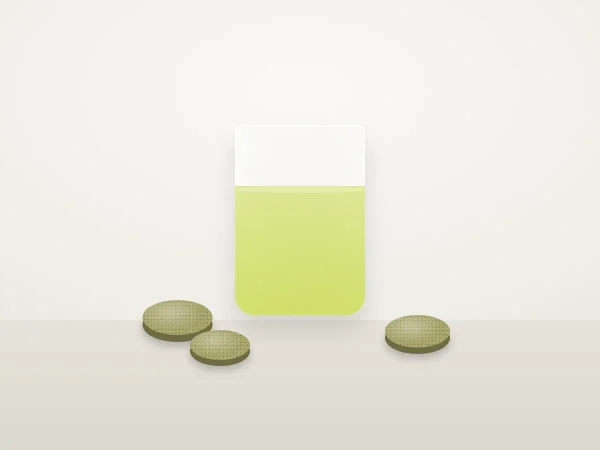
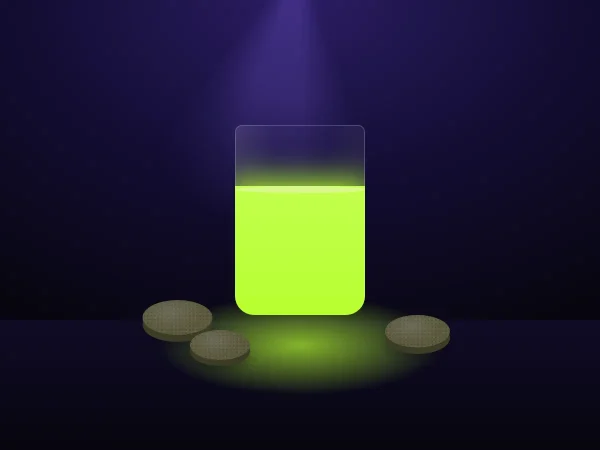
Green: brightest under UV
For indoors (bathroom, pipes, crawl space) and for roofs, balconies and terraces.
Every place calls for its own colour. Choose where you are searching below: you will see which colour works best there, how to test and what you need.
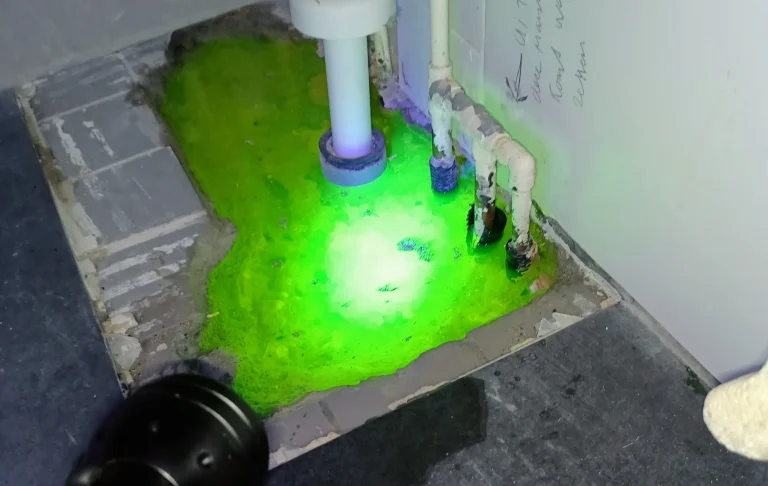
Per application: which colour and why, a step-by-step plan, photos by Renz Jacobs and the products.
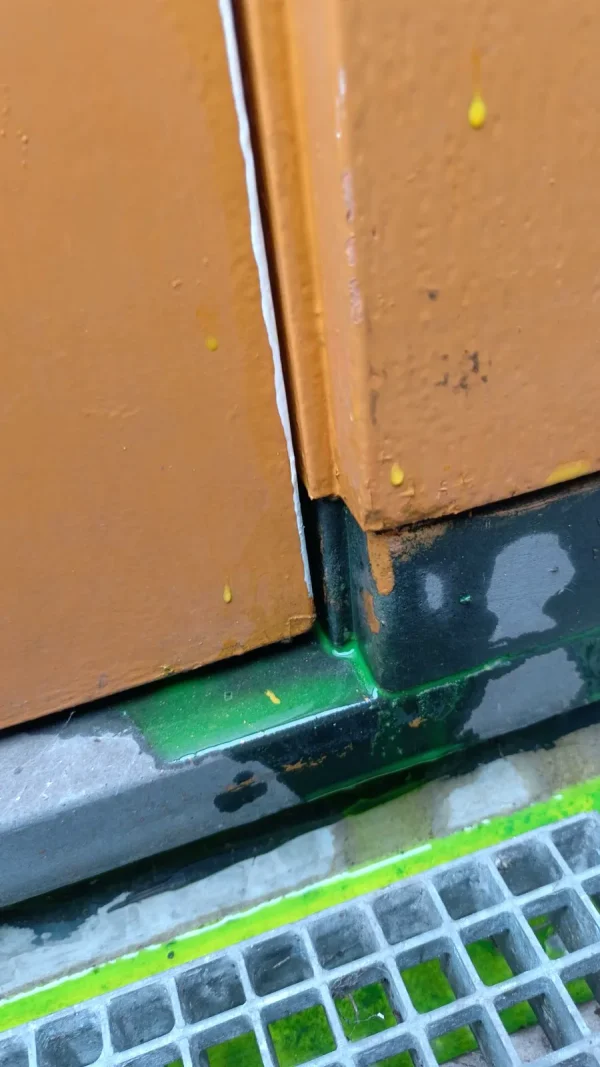 01
For the watertightness test of a roof, balcony or terrace. Pour the coloured water onto the roof or into the gutter and…
View this application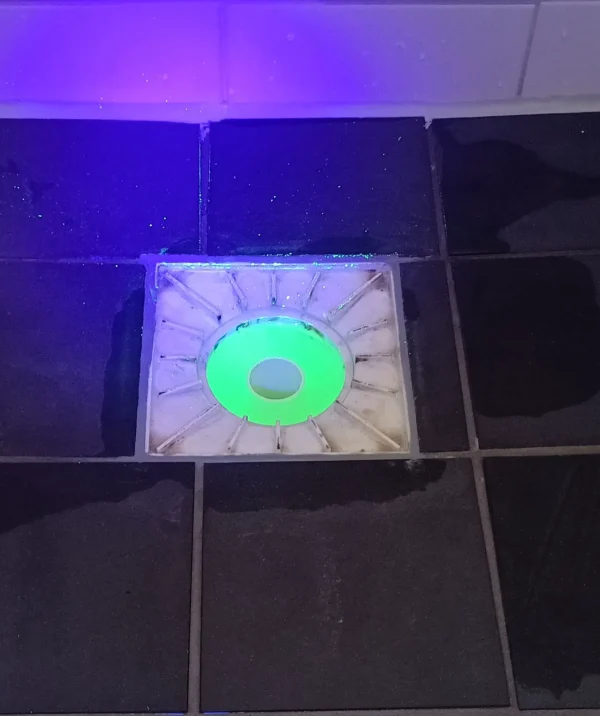 02
Is the shower, bath or a drain leaking into the ceiling below? Fluorescent dye shows you where the water goes. Plumbers also…
View this application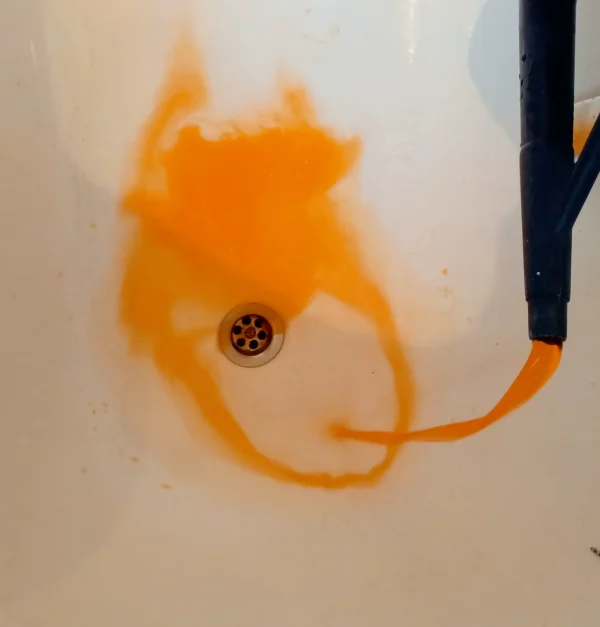 03
Which drain comes out where, and does it leak on the way? Orange does not stick to suspended particles, so the colour…
View this application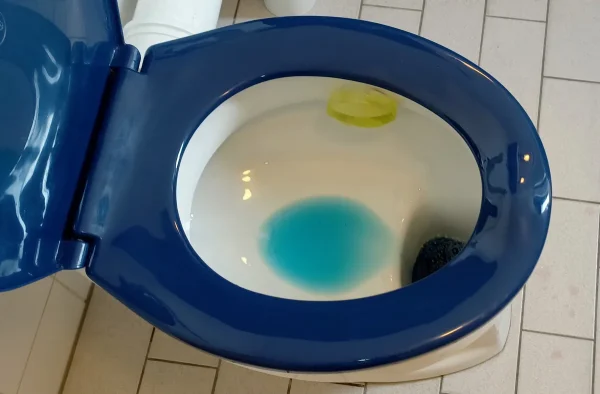 04
Place a tablet in the cistern and do not flush. Does the water in the bowl change colour? Then the float or…
View this application 05
Pool technicians use the tablets to trace leaks in private and shared swimming pools. If there is a lot of green algae…
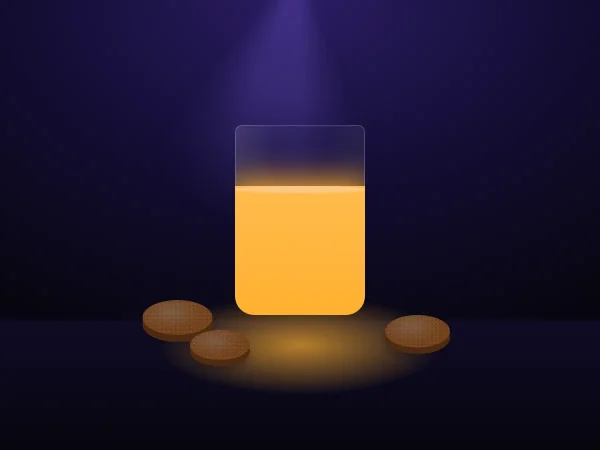
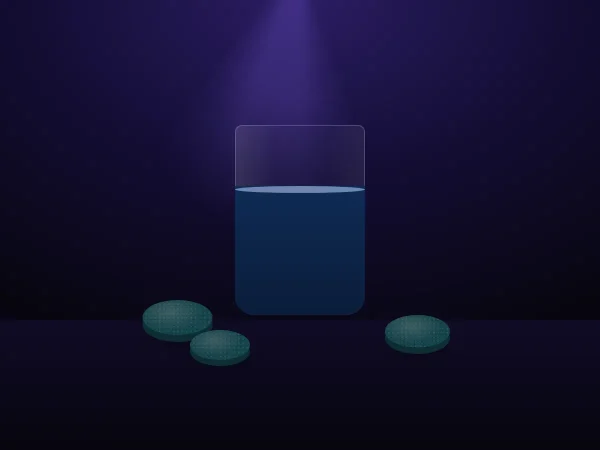
View this applicationSwitch on the UV lamp for each colour. Green, red and orange glow; blue does not, you see it in daylight.
For indoors (bathroom, pipes, crawl space) and for roofs, balconies and terraces.
Gives the most contrast in water with a lot of green algae and stays visible longer in sunlight than green.
Does not stick to suspended particles and stays visible in dirty water: drains, sewers and pits.
Not fluorescent. Meant to be seen with the naked eye in daylight, for example in a gutter.
Indoors and in the dark, green works best: it glows brightest under UV. Green is also the choice for a roof, balcony or terrace. If there is a lot of green algae in the water, choose red: it gives more contrast and stays visible longer in sunlight. Orange stays more visible in dirty water. Blue is for tests without a UV lamp. Testing several possible sources at once? Give each source its own colour.
For green, red and orange you see the most with UV light in a dark space: the dye glows, even when you can hardly see it with the naked eye. Blue is not fluorescent and is meant to be seen in daylight.
Yes. Give every possible source its own colour. The colour then tells you where the water comes from.